
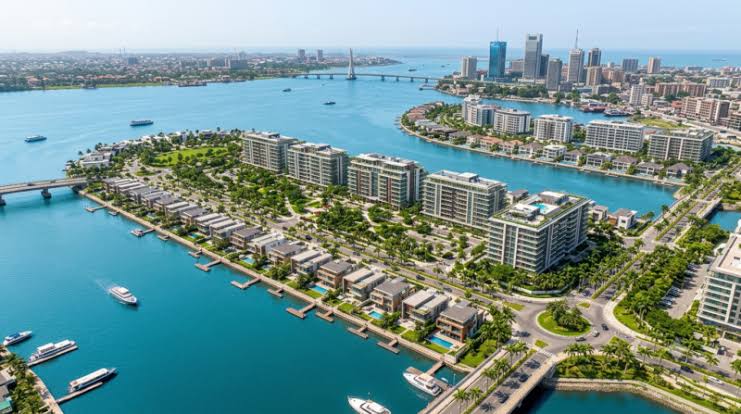
Lagos’ waterfronts are drawing increased attention from investors and built-environment stakeholders as the state expands infrastructure supporting its blue economy, water transportation and tourism sectors.
The development follows the Tour of Lagos Waterways 2026, which highlighted the commercial, tourism and property-development potential of the state’s extensive network of waterways.
The Lagos State Government said it has invested in jetties, terminals, safety infrastructure and monitoring systems to improve water transportation and support the growth of waterfront-related economic activities.
Waterfront Development Moves Beyond Conventional Real Estate
The growing focus on Lagos’ waterways creates opportunities for developments that combine transport, tourism, commercial facilities and real estate.
Improved access through jetties and terminals can increase the connectivity of waterfront locations, while tourism and leisure infrastructure could create additional demand for hospitality, retail and mixed-use developments.
For developers, the opportunity extends beyond individual properties to the creation of integrated waterfront districts supported by transport and public infrastructure.
Infrastructure and Planning Remain Critical
The expansion of waterfront development also places greater importance on planning and environmental considerations.
Future projects will need to account for planning approvals, flood management, shoreline protection, drainage, waterway access and environmental resilience.
These factors are particularly relevant in Lagos, where waterfront development intersects with a dense urban environment and extensive coastal and lagoon systems.
Why the Development Matters
Real estate: Improved waterfront connectivity could open additional locations for residential, hospitality, commercial and mixed-use development.
Transport: Investment in jetties and terminals can strengthen water transport as part of Lagos’ wider urban mobility network.
Tourism: Waterfront infrastructure can support hotels, leisure facilities, restaurants, attractions and other tourism assets.
Construction: Expansion of blue economy infrastructure creates opportunities for marine works, terminals, shoreline protection and supporting civil infrastructure.
Urban planning: Increased development pressure on waterfront locations will require stronger integration of transport, drainage, flood resilience and environmental controls.
Source: Lagos State Government; PUNCH.
Nomarc Market Signal:
Lagos’ waterways are increasingly being positioned as economic and infrastructure corridors, rather than solely as geographic boundaries. The investment opportunity will depend on whether waterfront development can be matched with the transport, environmental and resilience infrastructure required to support long-term urban growth.