

SEO Keywords: Trans-Sahara Highway Nigeria, Federal Ministry of Works, David Umahi, road construction Nigeria, highway infrastructure, FCT road projects, infrastructure financing, construction industry Nigeria, mega infrastructure projects.
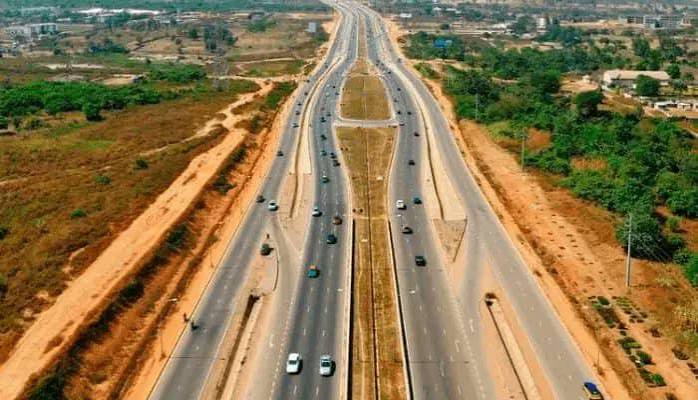
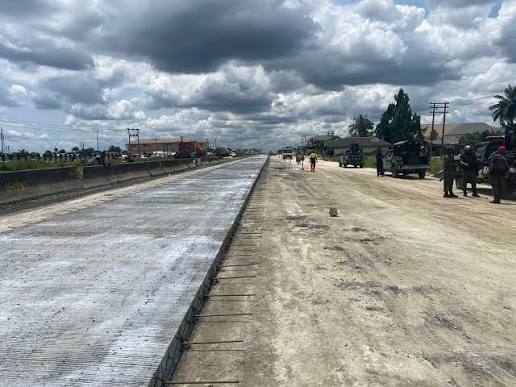
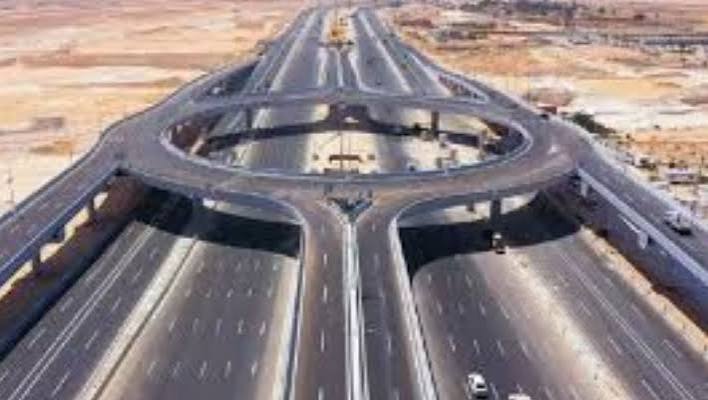
Nigeria's push to strengthen one of its most strategic transport corridors has entered a new execution phase as the Federal Ministry of Works directed contractors to commence simultaneous construction across three active sections of the Trans-Sahara Highway corridor.
The expanded mobilisation covers a corridor linking Ebonyi, Benue, Enugu, Kogi, and the Federal Capital Territory (FCT), reinforcing the government's strategy of executing multiple sections concurrently to accelerate delivery on nationally significant infrastructure.
Multi-State Corridor Gains Momentum
The latest directive marks a significant shift from sequential construction toward parallel project execution, allowing multiple contractors to work simultaneously across different sections of the corridor.
Corridor Coverage
Ebonyi
Benue
Enugu
Kogi
Federal Capital Territory (FCT)
According to the Minister of Works, David Umahi, the government's flagship legacy infrastructure programme is financed through a 30:70 funding structure: 30% in naira from the Federal Government and 70% through foreign financing arrangements.
Why the Financing Model Matters
The funding structure highlights Nigeria's increasing reliance on blended infrastructure financing to deliver large-scale transport projects without depending entirely on domestic budget allocations.
For contractors pursuing federally backed projects, this carries important commercial implications. Internationally financed infrastructure programmes often introduce stricter requirements around project reporting, procurement compliance, quality assurance, environmental safeguards, and delivery milestones.
Market Signal for Contractors
The simultaneous mobilisation across multiple construction fronts could generate demand across several segments of Nigeria's construction value chain, including:
Civil engineering contractors
Earthmoving equipment operators
Asphalt and concrete suppliers
Steel reinforcement manufacturers
Project management and quality assurance consultants
Companies already aligned with international compliance standards may be better positioned as foreign-backed infrastructure financing becomes more common within Nigeria's transport sector.
Why the Industry Should Watch This
The Trans-Sahara Highway is more than a road project. It forms part of a broader trans-African transport network designed to improve regional trade, freight movement, and economic connectivity between Nigeria and neighbouring countries.
As construction expands across multiple fronts, the project will become an important test of contractor mobilisation, financing execution, and the government's ability to deliver complex multi-state infrastructure simultaneously.
Source: Federal Ministry of Works; Channels Television.
#TransSaharaHighway #NigeriaRoadConstruction #FederalMinistryOfWorks #DavidUmahi #InfrastructureNigeria #ConstructionNews #CivilEngineering #HighwayProjects #TransportInfrastructure #NomarcProjects