
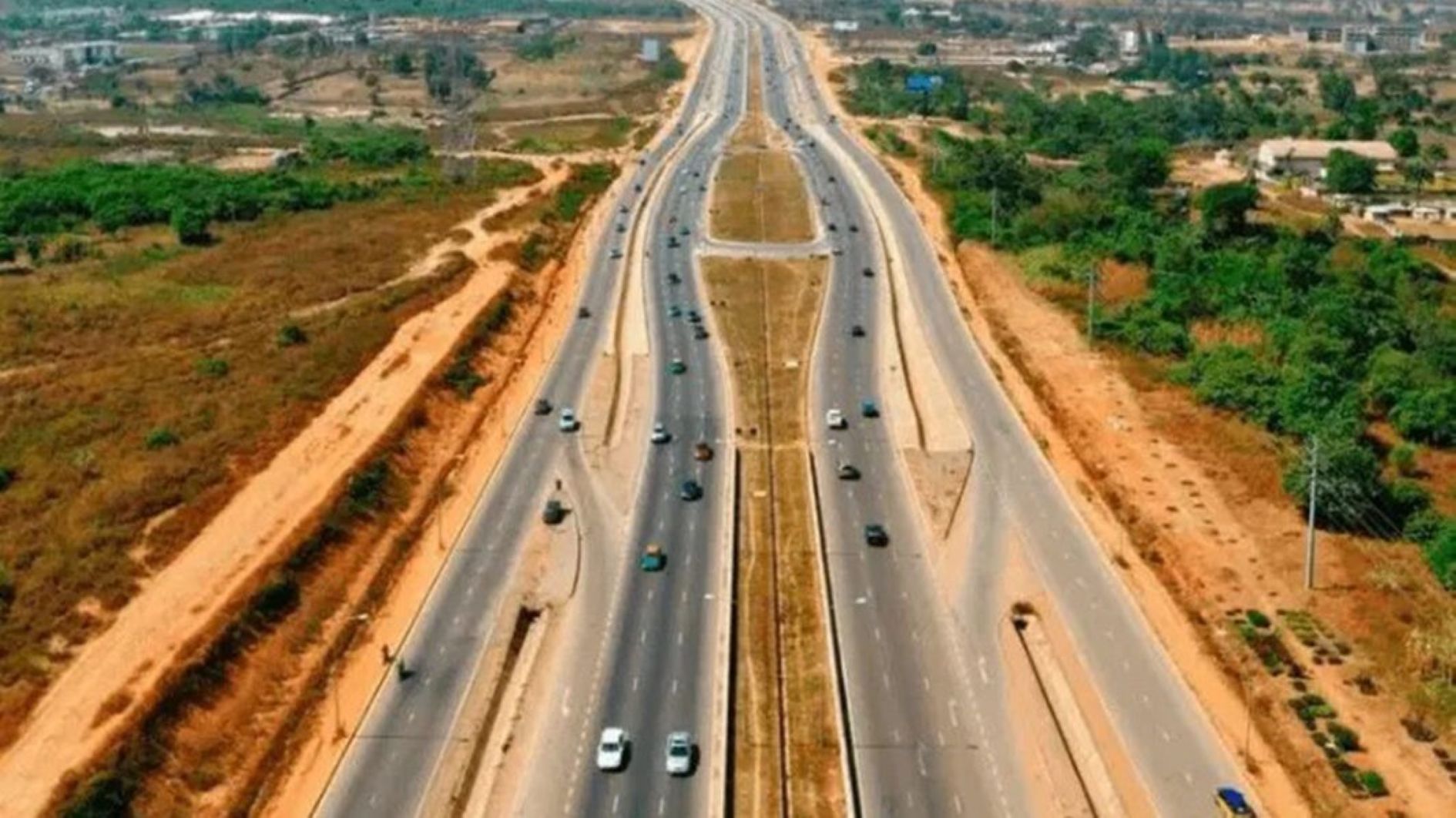
The Federal Government says the first 47 kilometres of the Lagos–Calabar Coastal Highway have been completed, while pavement works on the approximately 55-kilometre Section 2 are nearing completion, according to a project update issued by the Federal Ministry of Information and National Orientation on 8 October 2026.
Key Facts and Metrics
Project: Lagos–Calabar Coastal Highway
Location: Southern Nigeria, along the coastal corridor
Section 1: 47 kilometres, reported completed by the Minister of Works
Section 2: Approximately 55 kilometres, with pavement works reported as nearing completion
Responsible ministry: Federal Ministry of Works
Latest announcement: 7 October 2026 press conference in Abuja
Publication of government update: 8 October 2026
Section-specific contract values and remaining completion dates: Not provided in the cited announcement
What Happened?
Minister of Works David Umahi reported progress on the Lagos–Calabar Coastal Highway during a press conference in Abuja on 7 October.
According to the Federal Ministry of Information and National Orientation, the minister said Section 1, covering 47 kilometres, had been completed. He also reported that pavement works on the approximately 55-kilometre Section 2 were nearing completion.
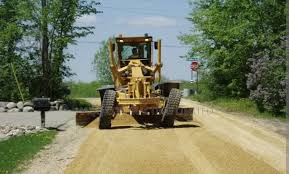
The update identified additional construction activities, including flyovers, overpasses and underpasses, alongside alignment redesigns intended to accommodate existing and planned infrastructure.
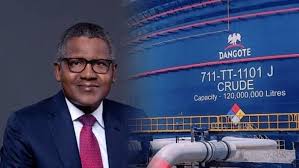
The ministry said some sections around the Dangote Refinery and Lekki Deep Seaport axis had been redesigned to accommodate rail, road and industrial infrastructure. It also cited difficult terrain, deep pits and challenging subsoil conditions along parts of the Ondo axis.
These details indicate that project delivery involves more than laying pavement. The construction programme also includes engineering adjustments and ground improvement.
Engineering Changes and Flood Resilience
The government update describes alignment redesigns as responses to engineering and infrastructure constraints.
On the Ondo axis, Umahi said difficult terrain and subsoil conditions had necessitated redesigns in some locations, with substantial filling and ground improvement works ongoing in certain areas.
The minister also said the Federal Government had directed that the continuation of the coastal highway align with the existing East-West Road in parts of the Niger Delta.
According to the announcement, selected sections of the East-West Road would be raised to address current and anticipated flooding risks.
The announcement does not provide detailed engineering drawings, revised quantities, variation values or independent performance assessments for these interventions. Their effects on total cost and completion schedules therefore remain unquantified in the available evidence.
Why It Matters
The Lagos–Calabar Coastal Highway is intended to improve connectivity along Nigeria’s southern coastal corridor. Its integration with port, industrial and existing road infrastructure makes coordination a significant part of project delivery.
For the construction sector, alignment changes and difficult ground conditions can affect excavation, embankment quantities, drainage design, pavement works, construction sequencing and cost control.
The flooding-related interventions also highlight the importance of designing infrastructure for local environmental conditions rather than treating road construction as a uniform engineering exercise across the entire corridor.
However, the completion of one section does not establish that the entire highway is operational or that all associated structures and connecting routes are complete.
Contractor and Developer Implications
Road contractors: Monitor section-specific progress, outstanding structures, revised quantities and any publicly disclosed contract variations.
Quantity surveyors: Seek the approved bills of quantities and variation documentation before assessing the financial effects of redesigns.
Engineering consultants: Examine the implications of subsoil conditions, ground improvement and flood resilience for design and construction supervision.
Developers and logistics operators: Track the availability of completed access connections and operating conditions around industrial facilities and ports. Do not assume that all planned connectivity is already available.
Nomarc Market Signal
The most useful next step is to build a section-by-section record of the highway, distinguishing reported completion from independently documented project milestones.
A credible tracker should identify each section’s length, contractor, contract value, funding arrangement, construction status, approved variations and expected completion date where disclosed. It should also record the source and date of every status update.
The government’s 8 October statement provides a current reporting baseline, but it does not independently establish total project expenditure, the remaining cost to completion or the precise delivery schedule for each section. Those questions require additional documentation.
Sources
Primary source: Federal Ministry of Information and National Orientation, “Umahi Highlights Impact Of Tinubu’s Legacy Projects, Says Infrastructure Investments Are Transforming Nigeria,” 8 October 2026.
The report summarises remarks made by the Minister of Works at a press conference on 7 October 2026. Project status claims in this article are attributed to that government account.