
Nigeria's ongoing rainy season continues to create a project-delivery risk for construction and infrastructure works, with the Nigeria Hydrological Services Agency (NIHSA) maintaining active flood alerts across parts of the country.
The alerts are relevant to contractors and developers working on road, drainage, building and infrastructure projects where flooding can disrupt site access, earthworks, excavation, material movement and construction schedules.
Key Facts & Metrics
NIHSA has issued active flood alerts, including a major/destructive flood alert for Lagos Island valid through September 24, 2026.
A flash-flood watch is also in effect for parts of Abuja.
A recent national advisory identified 15 states at high risk of riverine flooding between September 19 and 25.
States identified in the risk areas include Lagos, Rivers, Delta, Edo, Kogi, Benue, Anambra and Enugu, among others.
Why Flood Risk Matters to Construction Projects
Flooding can affect several stages of construction simultaneously.
For civil and infrastructure projects, heavy rainfall can disrupt earthworks, excavation, embankment construction, road formation, drainage installation and pavement works.
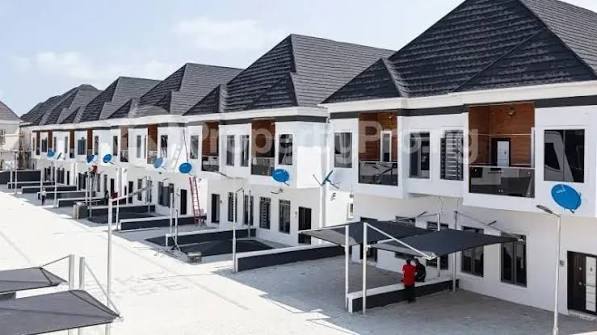
For building projects, waterlogged sites can affect foundations, access roads, material storage, concrete operations and movement of workers and equipment.
The impact is therefore not limited to physical damage. Flood conditions can also create programme delays, equipment downtime, additional dewatering requirements and higher site-operating costs.
What It Means for Contractors
Contractors working in flood-prone areas need to account for hydrological conditions when managing project programmes and site operations.
Potential pressure points include:
Earthworks: Saturated soils can affect excavation, compaction and embankment activities.
Site access: Flooded access roads can restrict movement of trucks, equipment and workers.
Materials: Cement, aggregates, steel, equipment and other materials may face delays if transport routes become inaccessible.
Excavation and foundations: Water ingress can increase pumping and dewatering requirements.
Temporary works: Site drainage, diversion channels, temporary roads and other protective measures may require additional attention.
Programme: Prolonged disruption can push activities beyond planned completion dates.
What It Means for Developers
For developers, flood exposure can affect both construction timelines and the long-term performance of the completed asset.
Projects in low-lying areas, floodplains or locations close to waterways require particular attention to site drainage, access infrastructure and stormwater management.
For developments still under construction, weather-related delays can also affect financing costs, contractor claims, handover dates and projected revenue timelines.
Infrastructure Projects Face Additional Exposure
Road and drainage projects are particularly sensitive to rainfall because construction often involves substantial earth movement and work within existing drainage or water-management systems.
For ongoing highway, bridge and urban road projects, contractors may need to manage the interaction between construction activity, existing drainage capacity and temporary traffic arrangements.
Flood conditions can therefore become a direct project-management issue when they affect access or prevent specific construction activities from proceeding safely.
What to Watch
Rainfall forecasts: Short-term rainfall intensity and duration around active project sites.
River levels: Particularly for projects near major waterways and flood-prone corridors.
Site access: Condition of temporary and permanent access roads.
Drainage capacity: Performance of existing and temporary drainage systems.
Dewatering: Additional pumping requirements on excavation and foundation works.
Material logistics: Delays or route disruptions affecting deliveries.
Project schedules: Activities that may need to be resequenced because of weather conditions.
Flood resilience: Whether drainage and stormwater infrastructure is being designed for the actual hydrological conditions of the site.
Bottom Line
For Nigeria's construction industry, flood alerts are not only a weather update. They are a project-delivery variable.
Where flood risk is active, contractors and developers need to monitor how rainfall and river conditions affect site access, earthworks, drainage, logistics, temporary works and construction programmes.
The immediate industry question is therefore not simply where flooding is forecast, but which active projects are exposed and whether their construction schedules and site controls can absorb the disruption.
#NigeriaFlood #NIHSA #FloodRisk #ConstructionNigeria #NigeriaInfrastructure #LagosFlood #AbujaFlood #InfrastructureDevelopment #ConstructionProjects #DrainageInfrastructure #RealEstateNigeria #ProjectManagement #BuiltEnvironment #ClimateRisk #NomarcProjects