


Key Facts & Metrics
Development: Approval of the Full Business Case (FBC) for the operation, management, and long-term maintenance concession of the Lagos–Ibadan Expressway.
Location: Lagos–Ogun–Oyo transportation corridor.
Procurement Type: Public-Private Partnership (PPP) / O&M concession.
Client/Agency: Federal Ministry of Works / Infrastructure Concession Regulatory Commission (ICRC).
Proposed Scope: Electronic tolling, asset maintenance, route management, Intelligent Transportation Systems (ITS) integration, and incident-response logistics.
Current Status: Reported as transitioning towards commercial close and concessionaire tolling deployment. The specific implementation milestones require confirmation from official sources.
What Happened?
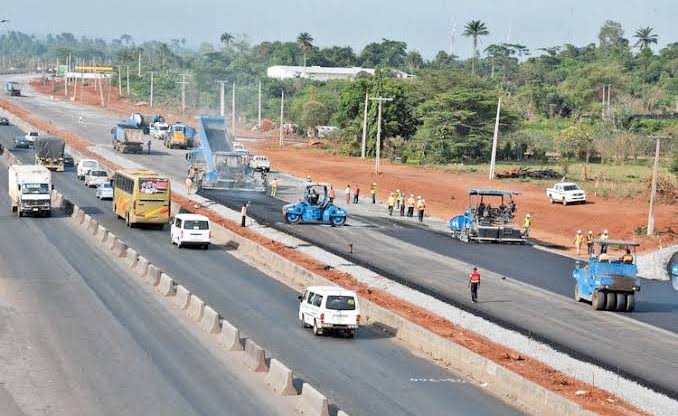
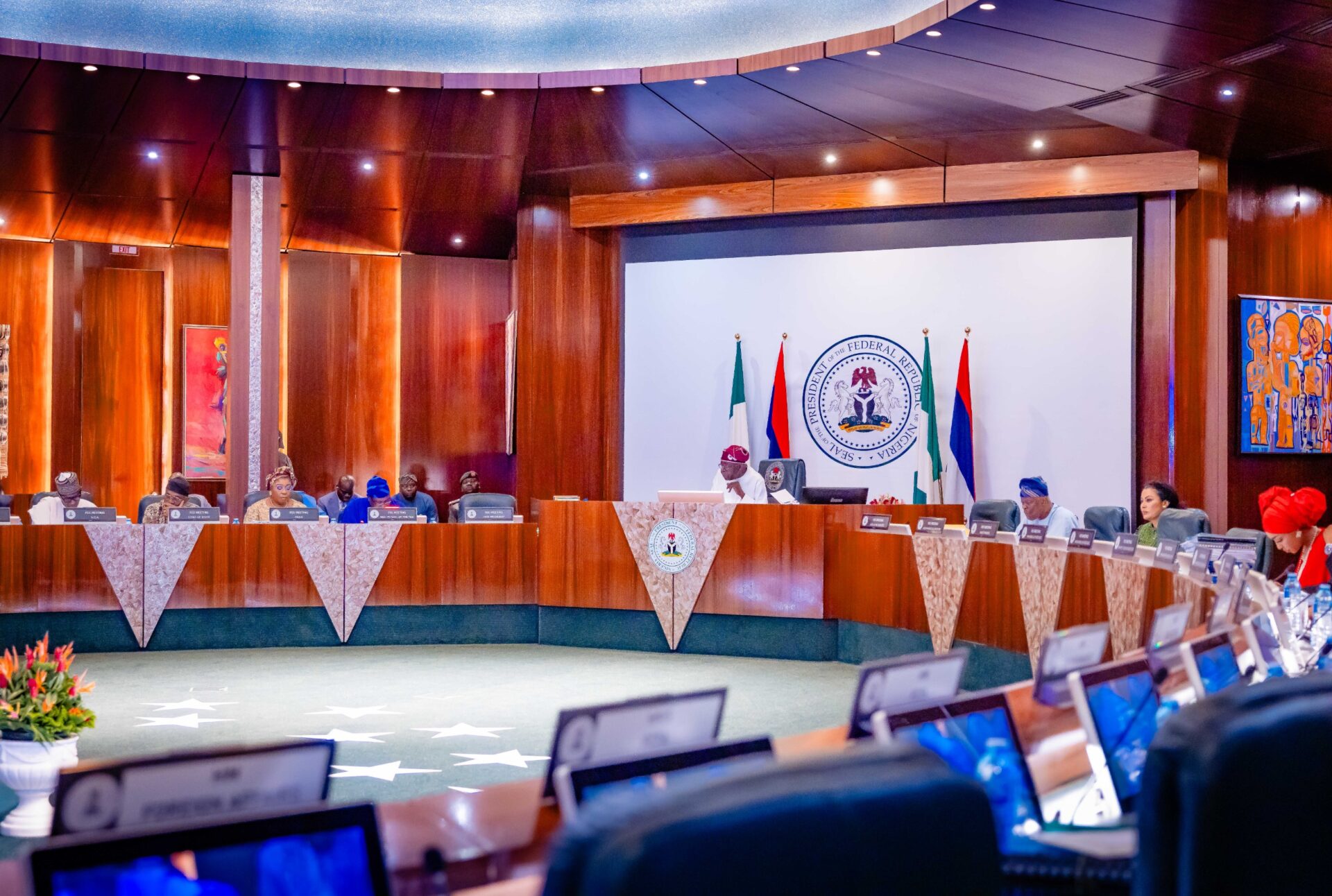
The Federal Executive Council (FEC) reportedly approved the Full Business Case for concessioning the operations and maintenance of the 127 km Lagos–Ibadan Expressway. The proposed arrangement would introduce private-sector participation in the long-term management and preservation of the highway.
The development fits into a broader policy direction towards standardising infrastructure concessions and improving the structure of public-private investment. Nomarc Projects previously examined this issue in its report, Federal Government Unveils Model PPP Agreement to Standardise Infrastructure Concessions.
However, approval of a Full Business Case should not automatically be interpreted as financial close, execution of a concession agreement, or commencement of toll collection. Those milestones require separate confirmation.
Policy and Implementation Implications
An O&M concession of this nature could create a framework for private operators to manage routine highway maintenance, incident response, traffic monitoring, and tolling infrastructure, subject to the final concession terms and applicable regulatory approvals.
Potential technical requirements include automated tolling systems, vehicle classification technology, CCTV monitoring, traffic-management systems, and weigh-in-motion enforcement to help address heavy-vehicle overloading.
The allocation of toll revenue, maintenance obligations, capital expenditure, performance standards, and enforcement responsibilities will depend on the approved concession structure and executed agreements.
For a broader understanding of how concession rules affect contractors and infrastructure investors, see Nomarc's coverage of the Federal Government's Model PPP Agreement.
Why It Matters
The proposed concession could represent a significant shift towards performance-based highway asset management, where maintenance responsibilities and service standards are defined through a long-term contractual arrangement.
For the Federal Government, a properly structured concession could reduce reliance on annual budget allocations for certain maintenance activities. For private investors, the commercial viability would depend on traffic volumes, tolling arrangements, operating costs, contractual obligations, and the allocation of project risks.
The distinction between a concession announcement and an operational concession is important. Nomarc's report on the Benin–Asaba road concession and performance enforcement provides a related perspective on the risks associated with concession delivery and contractual compliance.
Impact on Contractors and ConTech Providers
1. Highway Maintenance Contractors
If the concession proceeds, potential opportunities could arise in:
Pavement repairs, resurfacing, and preventive maintenance.
Road marking, signage, and guardrail installation.
Bridge maintenance and expansion-joint repairs.
Drainage rehabilitation and roadside asset management.
Emergency response, traffic control, and highway patrol support.
Contractors should monitor the eventual concession agreement, subcontracting arrangements, qualification criteria, and procurement notices before treating these activities as confirmed contract opportunities.
2. Construction Technology Providers
The proposed operating model could generate demand for:
Electronic toll collection and payment systems.
Automatic number-plate recognition and vehicle classification.
CCTV networks and traffic-monitoring platforms.
Weigh-in-motion systems and overload enforcement technology.
Incident-management software and highway operations centres.
Technology suppliers should identify the concessionaire, technical specifications, integration requirements, and procurement timetable before committing resources.
For additional context on the regulatory and procurement environment, read Nomarc's explainer, What Nigeria's 14-Day Procurement Standstill Means for Construction Contractors.
Impact on Developers and Project Owners
Logistics Corridor Reliability
The Lagos–Ibadan Expressway is a strategic transport link connecting Lagos with Ogun State, Ibadan, and wider inland markets. Effective maintenance and incident management could improve journey-time reliability and reduce disruptions affecting freight operators, industrial facilities, and construction supply chains.
However, these benefits will depend on actual operating performance, traffic management, maintenance quality, and the final tolling arrangements.
Nomarc's analysis, Nigeria's Building Material Prices Climb as Logistics Costs Overtake Factory Production, examines how transport costs and road-related logistics pressures influence construction budgets.
Commercial and Industrial Development
More predictable highway operations could strengthen the commercial appeal of selected locations along the corridor for logistics parks, warehousing, service stations, and industrial developments.
These remain potential outcomes rather than guaranteed effects. Developers should assess access arrangements, land-use approvals, local demand, utility availability, and the impact of toll charges on operating costs.
Nomarc's coverage of the Ogun Deep Sea Port's planned development provides additional context on the relationship between transport infrastructure, logistics networks, and industrial development in Ogun State.
Nomarc Market Signal
The key market signal is the potential expansion of Nigeria's infrastructure concession pipeline beyond construction and into long-term asset management.
If implemented successfully, the Lagos–Ibadan Expressway arrangement could provide a reference point for future highway O&M concessions. However, similar arrangements for other corridors should not be treated as confirmed until supported by official announcements or procurement documentation.
For contractors, investors, and technology vendors, the immediate priority is to track the transition from policy approval to an executable commercial arrangement.
The most useful indicators will be:
Publication of the approved concession structure.
Identification of the concessionaire and its financial obligations.
Disclosure of tolling policy and revenue-allocation arrangements.
Release of maintenance performance standards.
Publication of technology procurement specifications.
Confirmation of financial close and implementation milestones.
Related Nomarc Coverage
Federal Government Unveils Model PPP Agreement to Standardise Infrastructure Concessions — Regulatory and contractual context for infrastructure PPPs.
Market Signal for 23 September 2026 — Related analysis of the Benin–Asaba concession and performance enforcement.
What Nigeria's 14-Day Procurement Standstill Means for Construction Contractors — Procurement implications for contractors pursuing federal opportunities.
Nigeria's Building Material Prices Climb as Logistics Costs Overtake Factory Production — Transport costs and their implications for construction procurement.
Ogun Deep Sea Port Targets November Construction Start — Related coverage of logistics infrastructure and industrial development.